

Contact NB Flowers
Call 020 3202 0005 or email info@nbflowers.co.uk to discuss your requirements with an expert florist in London. Our team will be happy to create and deliver your ideal flower arrangement.
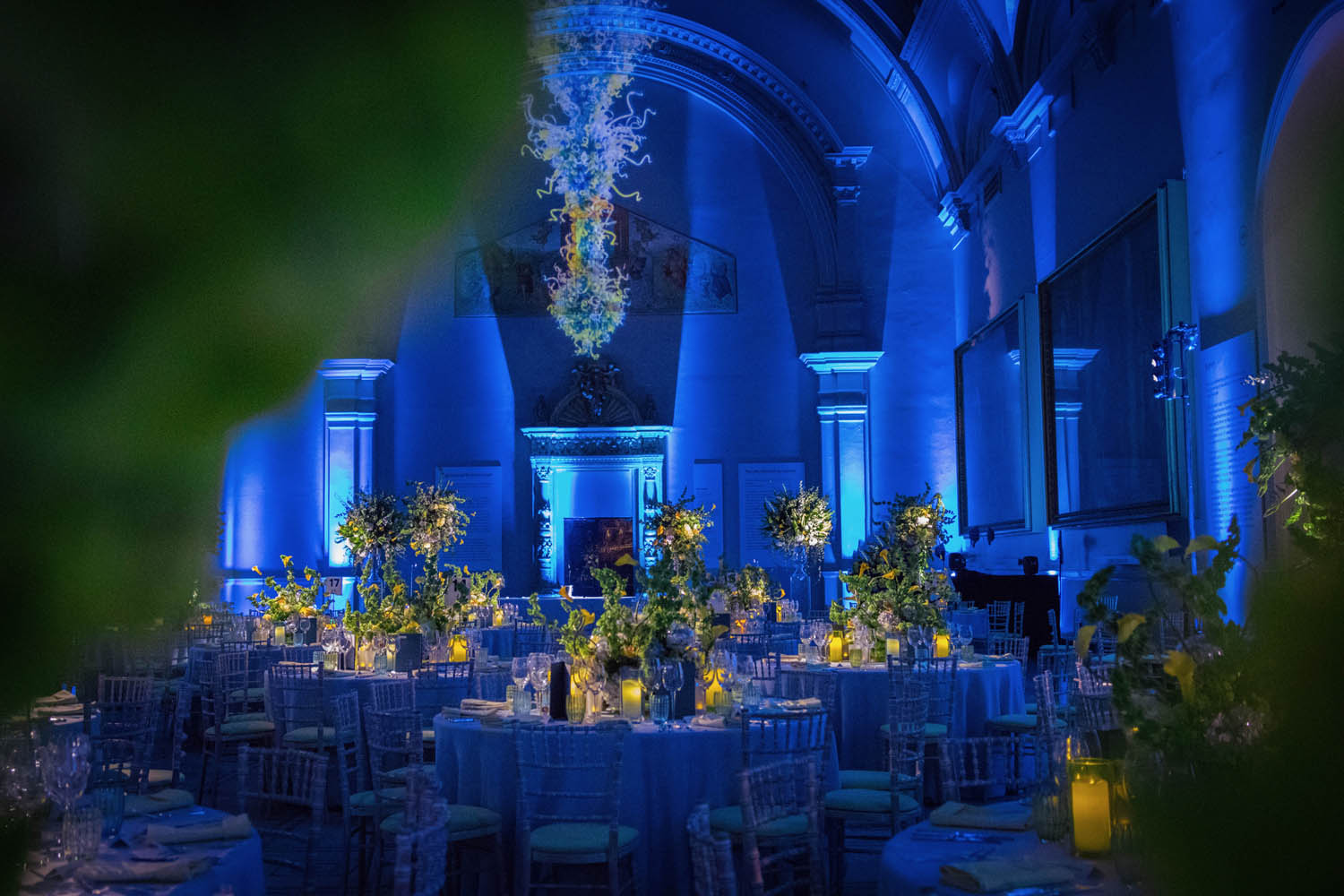
Autumn is one of the most rewarding seasons for wedding flowers. From September to November, British-grown blooms offer rich colour, varied texture and seasonal character.
For UK couples planning an autumn wedding in 2026, the opportunity is not to recreate a summer flower scheme with darker colours. It is to let the season shape the design. Dahlias, chrysanthemums, cosmos, scabious and late roses can be combined with foliage, berries and seed heads to create flowers that feel elegant, abundant and naturally connected to the time of year.
Dahlias are among the most versatile autumn wedding flowers. Available in many forms and colours, they can introduce blush, cream, burgundy, terracotta and burnt orange, working as focal flowers in bouquets and centrepieces.
Chrysanthemums add varied shapes and texture, while cosmos and scabious bring movement and lightness. Late roses provide classic romance and fragrance.
Autumn also allows florists to work beyond flowers. Rosehip, berries, seed heads, branches and seasonal foliage can give arrangements depth without making them look overtly themed.
NB Flowers prioritises seasonal English flowers where suitable and grows its own scented English roses. When in season, these can add fragrance and a distinctive personal touch to wedding flowers.
Yes. Autumn is not one fixed floral season.
September can still offer the abundance of late summer, with dahlias, cosmos, scabious and late roses particularly useful.
October lends itself to richer colour and texture, with deeper dahlias, berries, seed heads and changing foliage.
November requires more flexibility because weather and growing conditions can affect availability. Rather than specifying every flower, it can be better to agree on a palette, preferred flower forms and overall mood.
NB Flowers’ position above New Covent Garden Flower Market is a genuine advantage here. With florists in the market daily, the team has first-hand knowledge of what is available and looking its best, allowing designs to respond to the season rather than a rigid flower list.
A warm combination of terracotta and burnt orange with muted mustard and greenery creates an expressive autumn palette. Use richer colours as accents and balance them with cream or softer foliage.
Burgundy and plum with blush or dusky pink create a romantic, sophisticated look. They work particularly well for evening celebrations and venues with traditional architecture.
For understated elegance, combine ivory, cream and nude with touches of rust, cinnamon, caramel or muted peach. The result feels seasonal without becoming obviously autumn-themed.
The floral palette should respond to the venue as well as the season.
Earlier autumn sunsets make candlelight particularly effective. Consider flowers, candles and table styling together to create a warmer, more intimate atmosphere.
Stone, brick and historic interiors can carry deeper burgundy, plum and terracotta beautifully. Contemporary spaces may suit ivory flowers, sculptural foliage and restrained warm accents.
Our portfolio shows this adaptable approach across different settings, including Chelsea, Mayfair and Aynhoe Park weddings. The lesson is simple: the flowers should complement the architecture and atmosphere rather than compete with them.
Autumn offers more than colour. Seed heads can create movement, berries and rosehips can add small points of seasonal colour, while branches and foliage provide structure.
These details are particularly effective when you want a natural, garden-inspired look. A restrained palette can still feel abundant when different shapes, textures and heights work together.
Seasonal British flowers allow a wedding to reflect the time of year authentically rather than recreating an out-of-season summer look.
They can also support British growers and reduce some longer-distance sourcing, although the environmental impact of flowers depends on how they are grown, transported and supplied.
NB Flowers works with seasonal English flowers where appropriate while retaining access to the wider flower market when a particular colour, variety or design requirement calls for it. This gives couples seasonal character without unnecessary restrictions.
For September and October 2026 weddings, August is a useful time to discuss any late-season flowers that are especially important to you.
Rather than specifying every stem, share your favourite flowers, colours and the atmosphere you want. Your florist can then work with actual availability.
If a particular dahlia variety is unavailable, for example, another flower with a similar colour, form or texture may achieve the same visual effect. This flexibility is one of the strengths of seasonal floristry.
NB Flowers designs wedding flowers around the couple, venue and occasion, from bouquets and buttonholes to ceremony flowers, table arrangements and larger installations.
Its daily access to New Covent Garden Flower Market, relationships with British growers and own scented English roses give the team a strong understanding of seasonal availability and flower quality.
For an autumn wedding, that means couples can embrace the natural palette of September, October or November without being confined to a predictable “autumn wedding” look.
The best seasonal flowers should feel right for the time of year, right for the setting and, above all, right for you.
Explore NB Flowers’ wedding flowers service, seasonal flowers and wedding portfolio, and contact the team on 020 3202 0005 or email info@nbflowers.co.uk to discuss your autumn wedding flowers.
It is best to book your florist well ahead of the wedding date, particularly for September and October weddings. Discuss specific seasonal flowers closer to the date so availability can be confirmed.
Dahlias are primarily a late-summer and autumn flower, but their availability can vary with growing conditions and the timing of the first frosts. Your florist can advise on suitable alternatives if needed.
Use autumn colour selectively and balance richer tones with ivory, blush, nude flowers and refined foliage. The venue, candlelight, floral forms and overall styling can also make a seasonal palette feel sophisticated rather than themed.
Yes. A consistent seasonal palette can flow from the ceremony into bouquets, buttonholes and reception arrangements. Different flower combinations and arrangements can then be used to suit each part of the venue without making everything look identical.
Call 020 3202 0005 or email info@nbflowers.co.uk to discuss your requirements with an expert florist in London. Our team will be happy to create and deliver your ideal flower arrangement.